West Offaly History
West Offaly Training is supporting efforts to preserve and share West Offaly history over the last 400 years.
The media is sourced from many locations over a period of 50 years and represent the dedication and passion of one amateur histrory student.
Site Content
The content on this website is not arranged scientifically but rather reflects personal areas of interest as well as availability of media. Therefor content is arranged by geographical location as the primary index.
Please click on the images to see the full-sized picture.
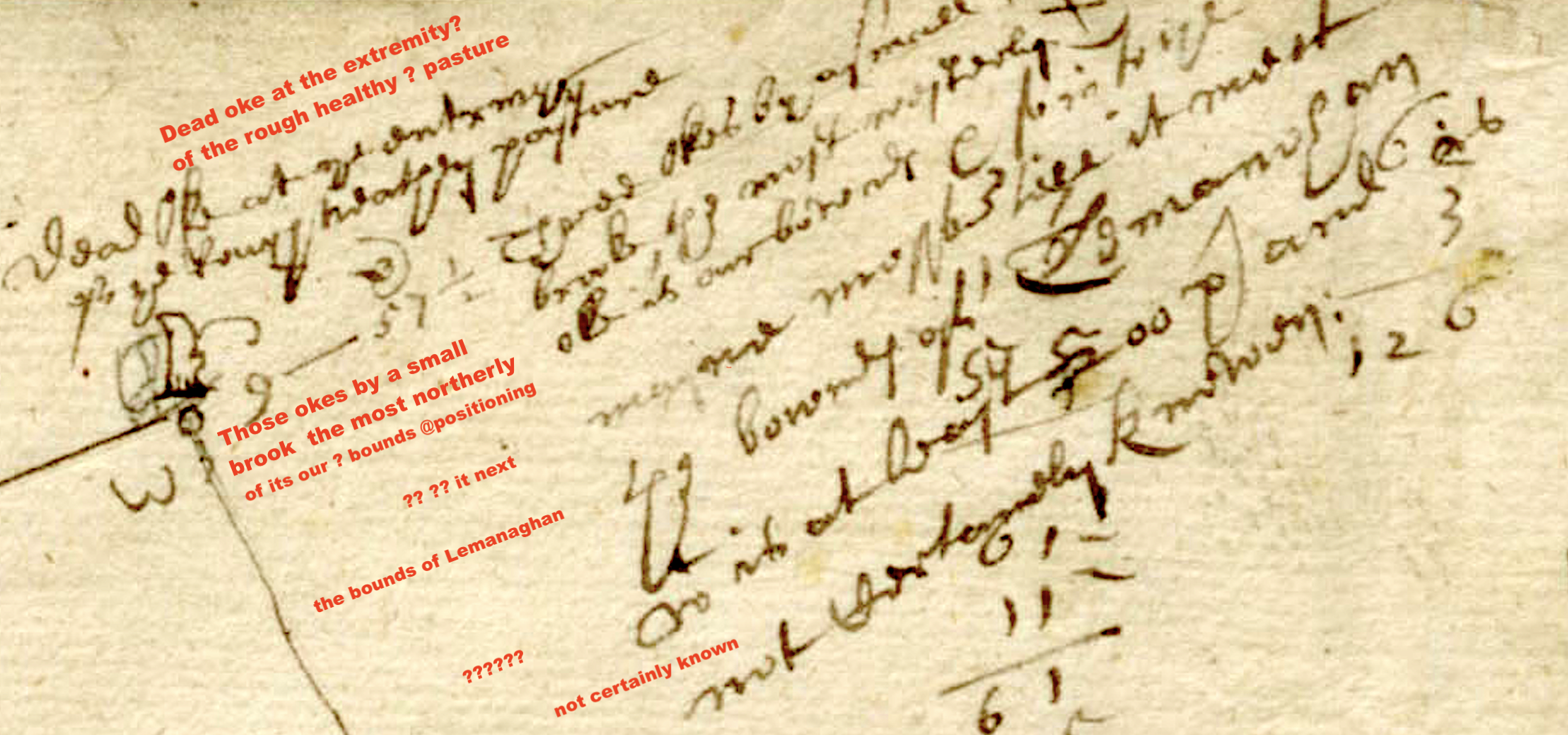
Transcription
Some effort has been made to tranlate and transcribe some of the media, but it is a severly difficult task due to fading ink, handwriting obscurity and historical context. We offer our efforts in humility and do not claim accuracy to any degree.
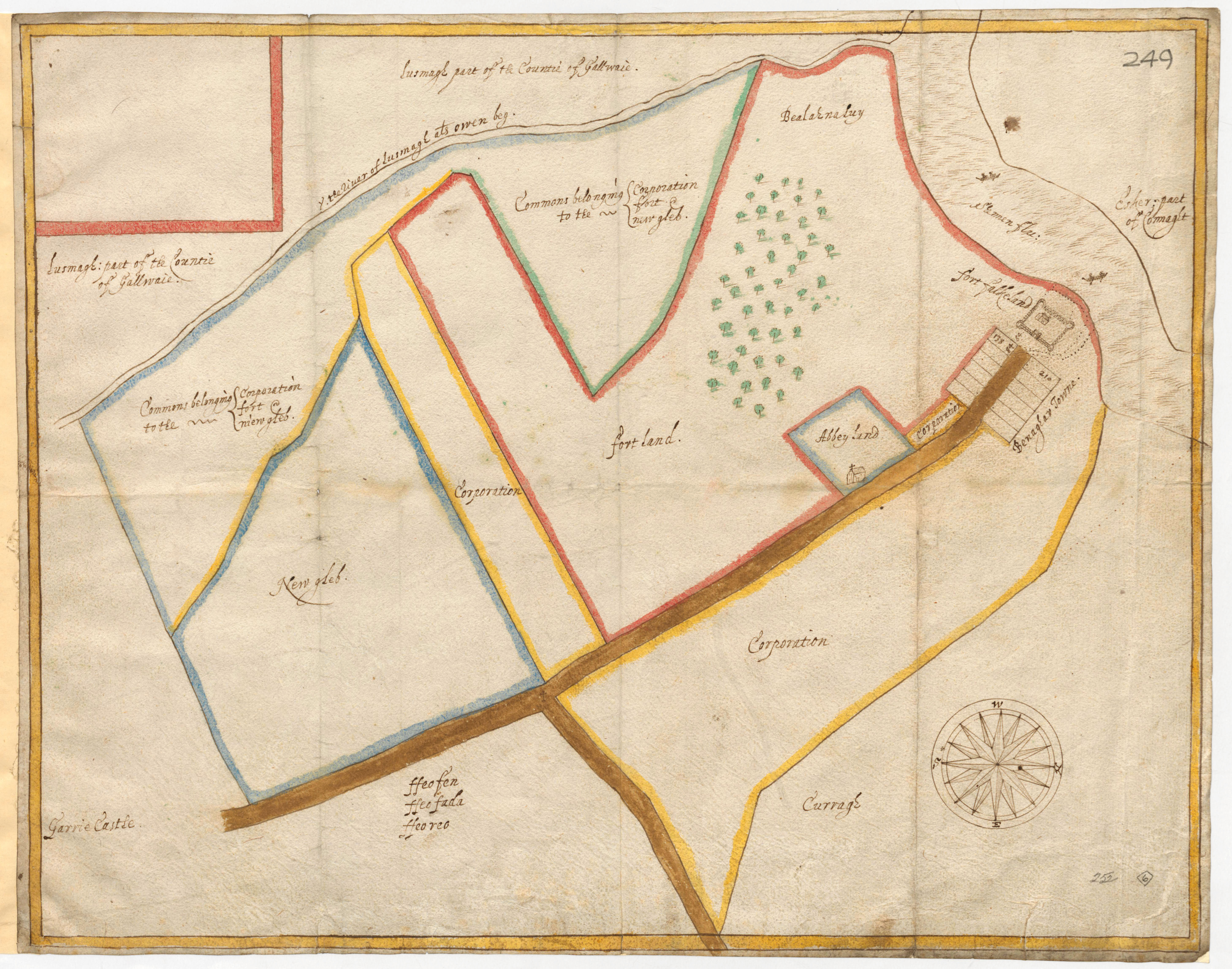
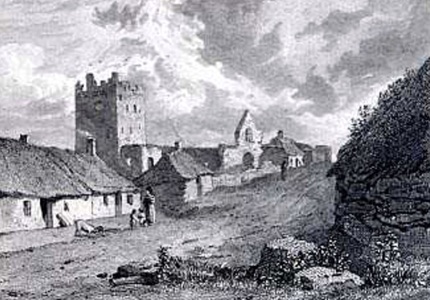
Banagher
Banagher – Beannchar na Sionna – is located in the midlands in Ireland on the western edge of County Offaly in the province of Leinster, on the banks of the River Shannon. Read more >>
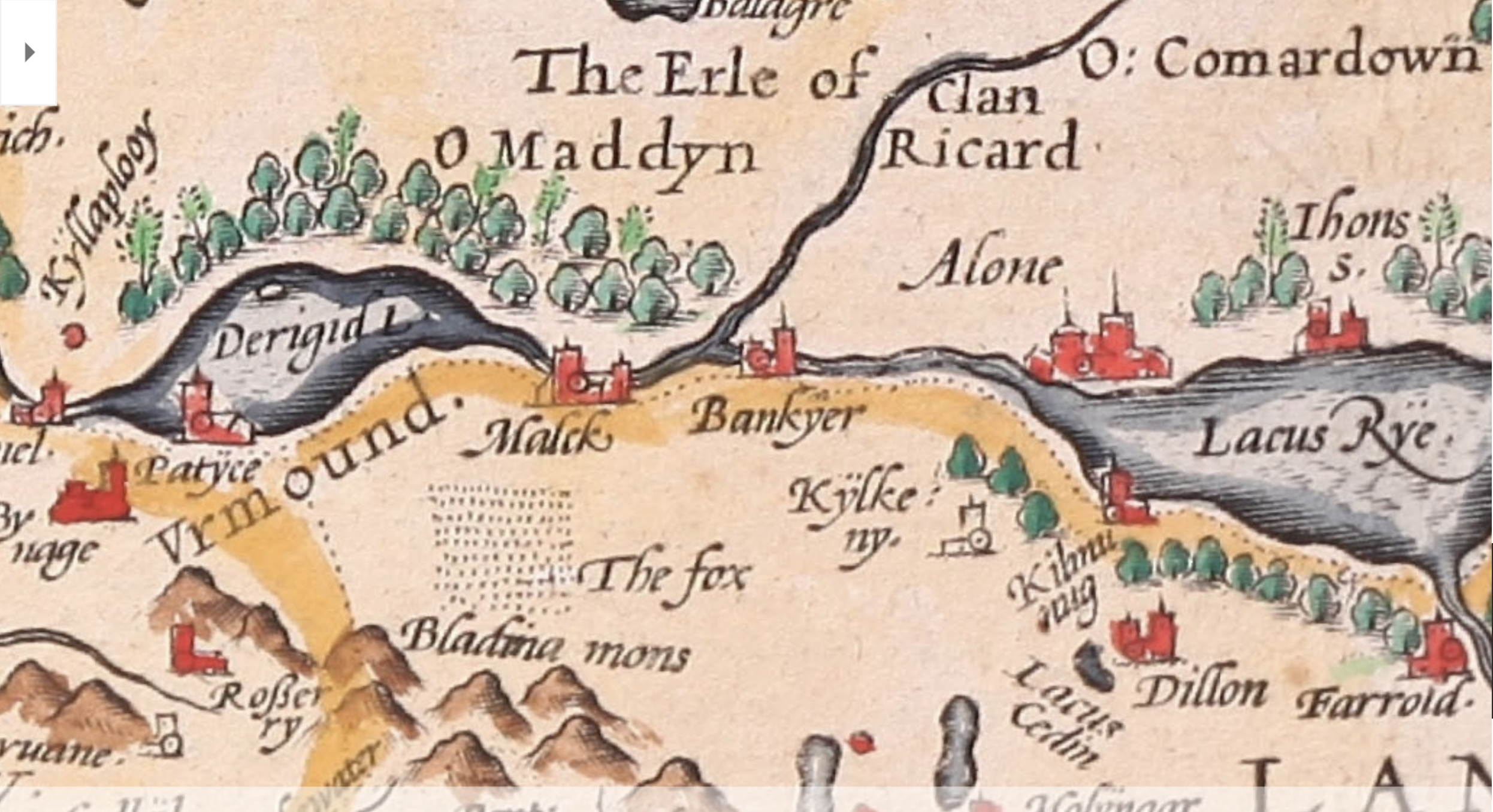
Bannoher the old english towne
This study explores maps and written material prepared for Sir Matthew De Renzy 400 years ago, sourced from the London National Archives. The title of the script is “Bannoher the old english towne” referring to the British administration and management of the are at the time.
Read more >>
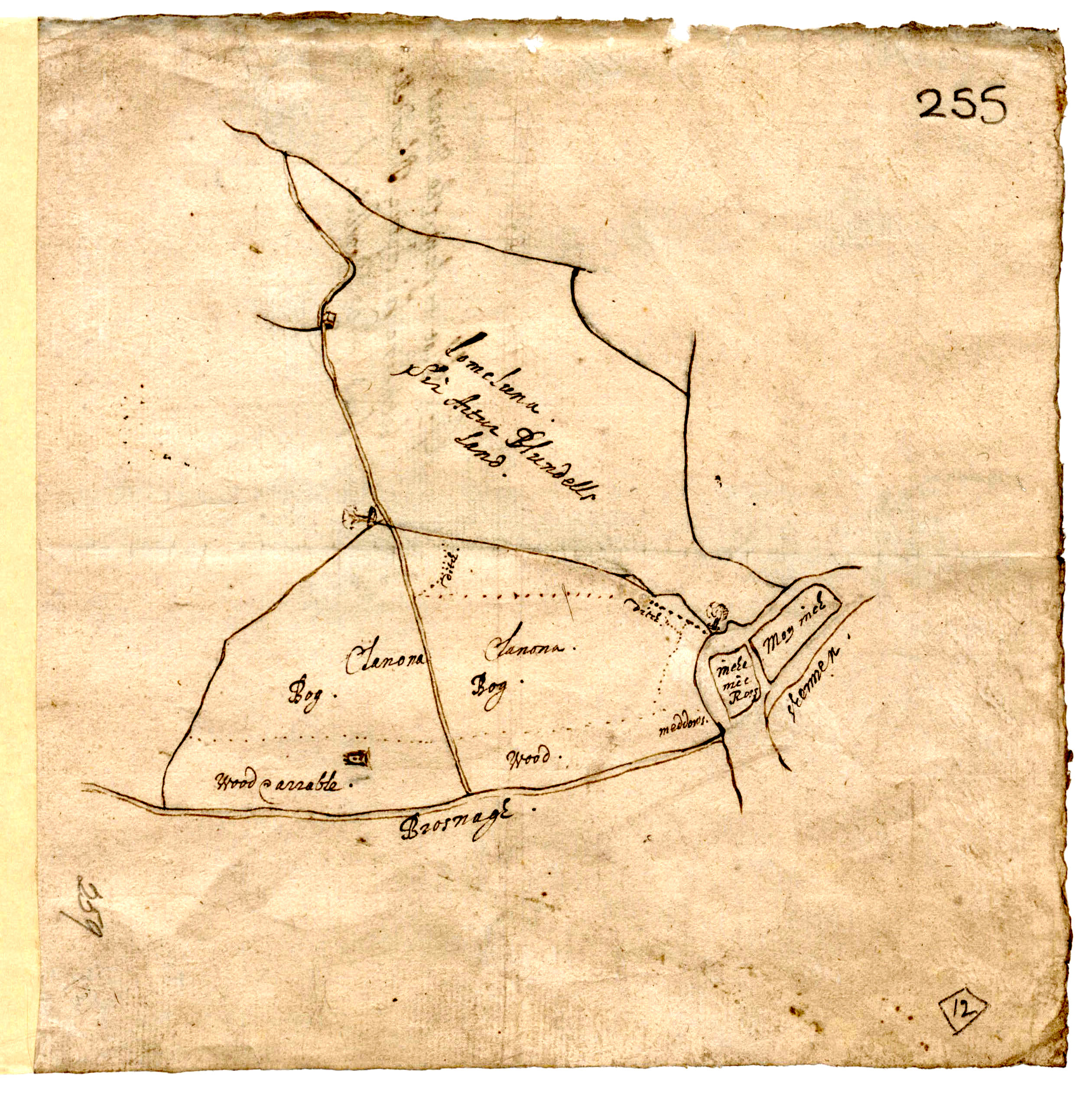
Lumcloon of the Flatterys
Lomcluna na Flaitire
A study of Banagher LUMCLOON OF THE FLATTERYS and the Plantation of West Offaly. Read more >>
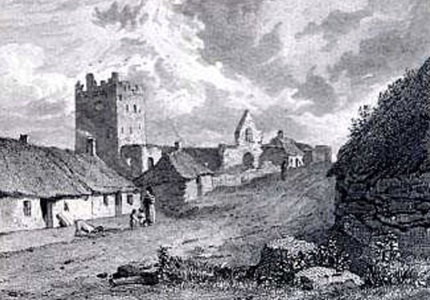
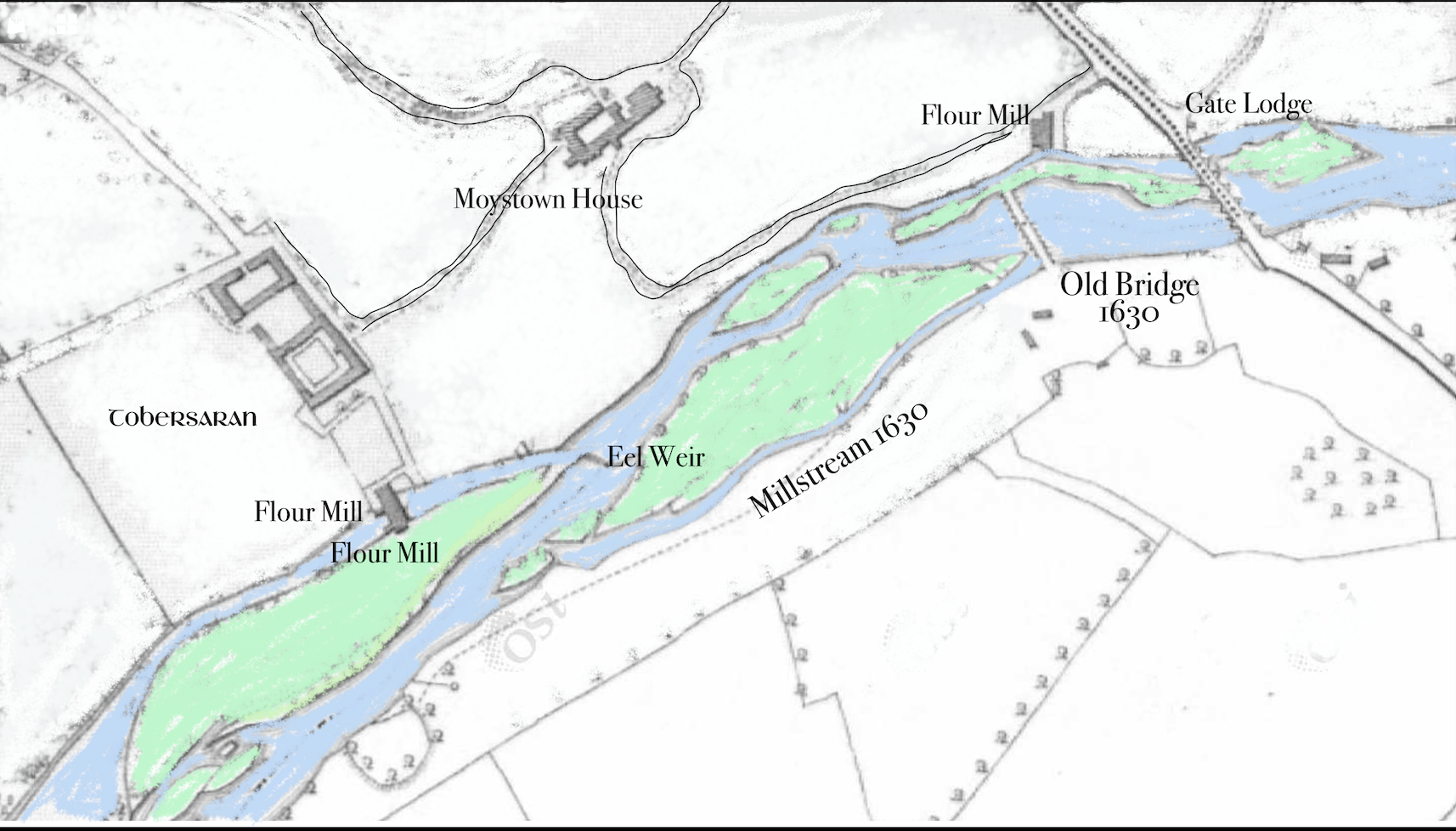
Moystown
Moystown Demesne is a small townland located on the western edge of King’s County in the Electoral Division of Huntston, in Civil Parish of Tisaran, in the Barony of Garrycastle, in the County of Offaly. The Irish name for Moystown Demesne is Maigh Eistea, situated close to the villages of Cloghan, Ferbane, and Banagher. Read more >>
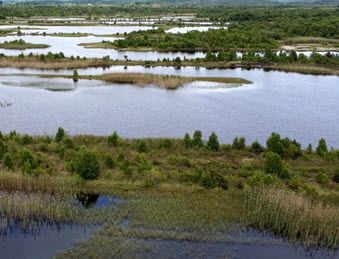
The Beauty of the Bogs
There are 80,000 hectares of post-peat harvested bogs across 30 sites, primarily in the Midlands. Bord na Móna refers to these bogs as “cut away,” a term that is both inaccurate and misleading. In reality, several meters of peat remain on most of these bogs.
Some of these lands now host wind farms, others are designated for solar farms, many have undergone extensive rewetting, and some remain untouched since peat harvesting ceased. Over time, all these bogs will be covered in vegetation—many already are. Their natural beauty is undeniable, and they deserve to be treated with respect.